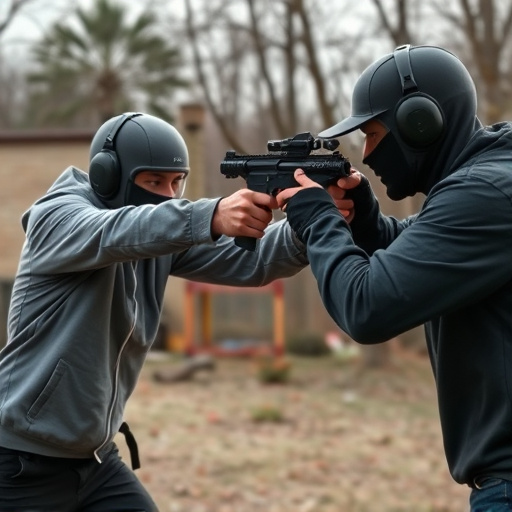
Tactical stun guns with LED flashlights, like Tasers, use electrical impulses to induce muscle contractions and disrupt nerve function, leading to temporary paralysis. The duration of this paralysis varies based on device model, settings, target area, user's physicals, environment, and health. Post-shock medical considerations include managing symptoms like weakness or numbness, with immediate first aid crucial for prolonged or severe cases. Specialized training in recovery from stun effects is vital, enabling officers to promptly assess and react, minimizing paralysis time and enhancing public safety outcomes.
“In today’s law enforcement landscape, understanding the effects of taser deployment is crucial. This article delves into the duration of paralysis caused by these devices, exploring various factors influencing recovery times. From medical considerations post-use to enhancing tactical training for efficient recovery, we provide insights on optimizing outcomes with advanced tools like the tactical stun gun with LED flashlight. By examining these aspects, officers can navigate challenges more effectively.”
- Understanding Taser Deployment Effects
- Factors Influencing Paralysis Duration
- Medical Considerations After Stun Gun Use
- Tactical Training for Efficient Recovery
Understanding Taser Deployment Effects
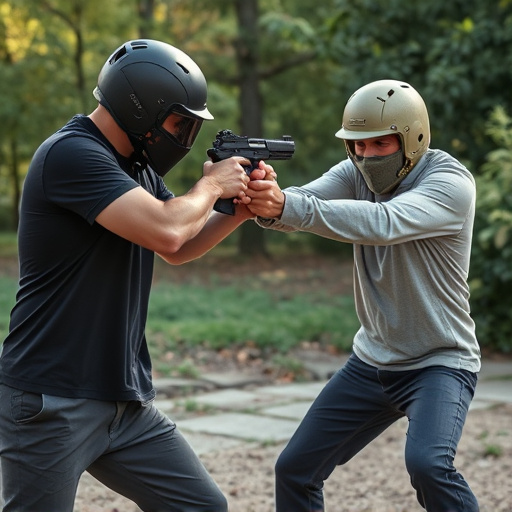
The effects of a tactical stun gun with LED flashlight, like a Taser, on an individual can vary greatly depending on several factors, including the model used, the number of shocks delivered, and the target area struck. When deployed, Tasers cause muscle contraction by delivering electrical impulses that disrupt normal nerve function. This disruption leads to temporary paralysis, allowing law enforcement officers to secure and control a subject. However, understanding the duration of this paralysis is crucial for assessing both safety and effectiveness in various scenarios.
The typical duration of paralysis induced by a Taser can range from several seconds to up to 5 minutes or more, depending on the specific device and its settings. This time frame offers officers a critical window to control and subdue individuals who pose potential threats. Moreover, some modern tactical stun guns incorporate LED flashlights, enhancing visibility during low-light conditions while also providing an additional deterrent factor against potential attackers.
Factors Influencing Paralysis Duration
The duration of paralysis caused by a tactical stun gun with LED flashlight deployment can vary greatly, influenced by several key factors. One significant factor is the model and power output of the device; higher voltage and current generally result in longer-lasting immobilization. The location of the stun on the body also plays a role—nervous system targets like the neck or groin can induce paralysis for extended periods.
Additionally, an individual’s physical condition, including muscle tone and nerve sensitivity, can affect how long they remain paralyzed. Age, weight, and overall health are relevant considerations. Environmental conditions, such as temperature and humidity, might also impact the duration of paralysis, as these factors can influence the device’s performance and the subject’s ability to recover.
Medical Considerations After Stun Gun Use
After the initial shock and disorientation caused by a tactical stun gun with LED flashlight, medical considerations become paramount. The duration and intensity of paralysis can vary significantly depending on factors such as the model of the weapon, the body part targeted, and the individual’s overall health. In some cases, users may experience temporary muscle weakness, numbness, or even partial paralysis, which can last for several minutes.
Healthcare professionals emphasize the importance of immediate medical attention for prolonged or severe symptoms. Individuals who have experienced prolonged paralysis, especially those with pre-existing conditions like heart problems or diabetes, should be monitored closely. Proper first aid, including ensuring breathing and cardiac stability, is crucial immediately after stun gun deployment to mitigate potential risks associated with the temporary incapacitation.
Tactical Training for Efficient Recovery
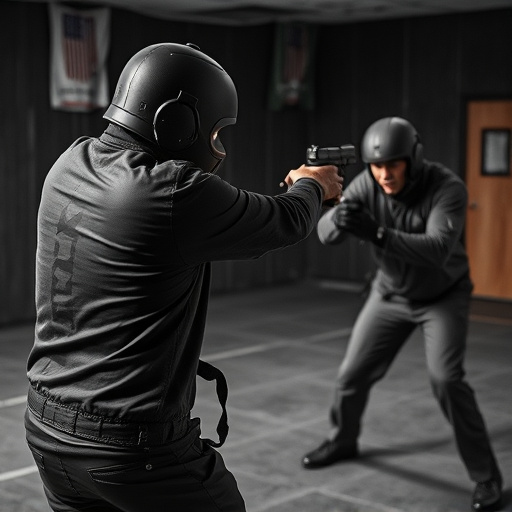
Tactical training focused on efficient recovery is crucial when it comes to managing the duration of paralysis caused by a tactical stun gun with LED flashlight deployment. This specialized training equips law enforcement officers and security personnel with the skills to swiftly assess and react to post-stun situations, ensuring prompt and effective care for individuals affected. By understanding the physiological effects of stun devices, trained professionals can anticipate and address potential complications, thereby minimizing the duration of paralysis.
The integration of LED flashlights into tactical stun guns further underscores the importance of efficient recovery techniques. These advanced tools provide superior visibility in low-light conditions, allowing for quicker evaluation and treatment of individuals experiencing heightened states of disorientation or physical restraint. Well-prepared personnel equipped with both stun devices and LED flashlights can navigate complex scenarios more effectively, ultimately reducing the overall paralysis duration and enhancing public safety outcomes.
In conclusion, understanding the duration of paralysis after taser deployment is crucial for effective law enforcement tactics. By recognizing the various factors influencing this outcome—from physical attributes to environmental conditions—officers can ensure safer and more efficient recovery processes. Proper medical considerations post-use are equally vital, highlighting the need for continuous training in tactical stun gun operations with LED flashlights. This comprehensive approach ensures officers remain safe and effective on the front lines.